 Twitter
Data lake vs data warehouse: Every technical founder building an AI product eventually asks the same question: should this data live in a data lake or a data warehouse? The honest answer is that most teams need both, just not at the same time, and not for the same reasons.
This is one of the most consequential infrastructure decisions an AI product team makes, and it’s also one of the most misunderstood. Get it wrong and you either drown your model training pipeline in unstructured mess, or you spend months forcing every new data source into a rigid schema before you even know what you’ll do with it. Get it right and your data infrastructure quietly stops being a bottleneck.
Here’s how to think about it properly, not as a trend to follow but as a decision tied to what your product actually does.
Quick Definitions
A data warehouse stores structured, cleaned data in a fixed schema, optimised for fast, repeatable queries and reporting. Think finance dashboards, sales metrics, and anything a BI tool needs to chart reliably every day.
A data lake stores raw data in its native format, structured, semi-structured or completely unstructured, and applies structure only when the data is actually read. That flexibility is exactly what makes lakes useful for AI and machine learning workloads, where you often don’t know in advance which features or formats will matter.
Neither is inherently better. They solve different problems, and most growing AI products eventually need elements of both. AWS lays out this same core distinction well in its own comparison of data lakes, data warehouses and data marts, which is worth a read if you want the infrastructure provider view alongside this one.
When Each Makes Sense: Data Lake vs Data Warehouse
A data warehouse makes sense when your primary need is consistent, structured reporting: subscription metrics, customer analytics, financial reconciliation, anything where the questions being asked are known ahead of time and the answers need to be fast and trustworthy.
A data lake makes sense when you’re collecting varied, high volume data before you’ve fully decided how to use it: raw event logs, model training data, sensor or usage data, unstructured text or images destined for an AI pipeline. If your product ingests messy, high volume signals to train or fine tune models, a lake is almost always where that data should land first.
A useful test: if you can write the exact SQL query you’ll run against this data next quarter, a warehouse is probably the right home. If you’re still not sure what questions you’ll be asking in six months, a lake keeps your options open.
Hybrid “Lakehouse” Approaches
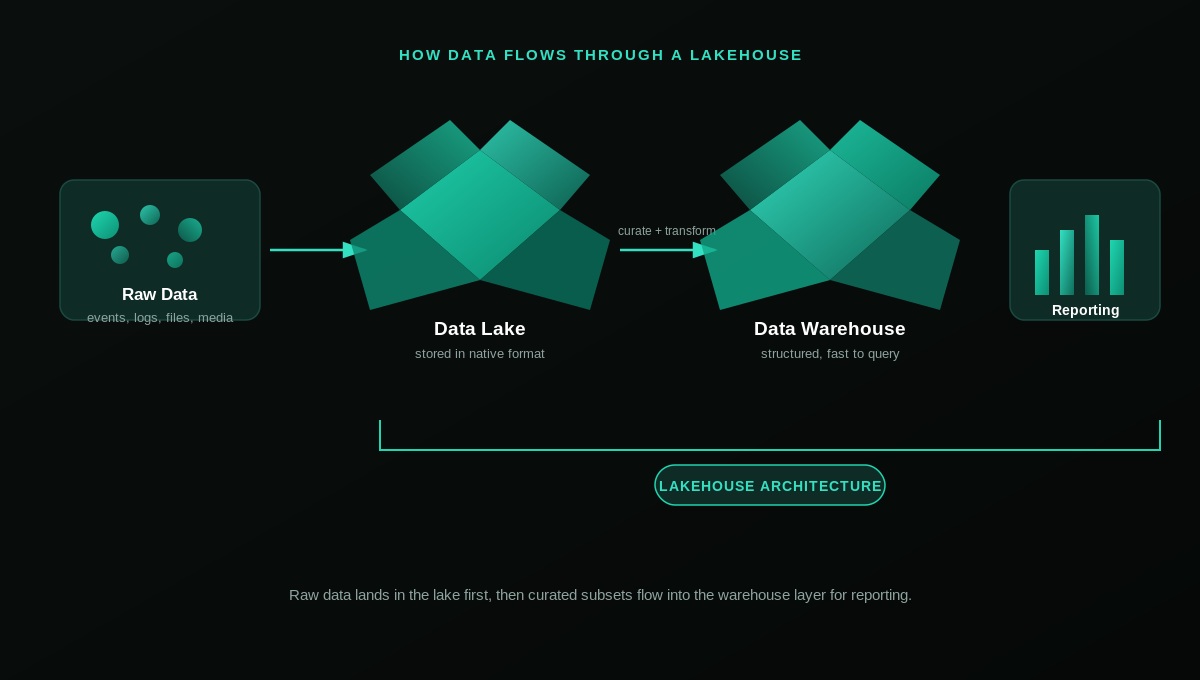
Most AI native products don’t pick one and stop there. The pattern that’s become standard in 2026 is the “lakehouse”: raw data lands in a lake, then curated, transformed subsets flow into a warehouse layer, or a warehouse like layer built on the same storage, for reporting and downstream applications.
This matters for AI products specifically because your model training data and your business reporting data usually have different shapes and different freshness requirements. A lakehouse architecture lets both live on shared infrastructure without forcing every dataset through the same rigid pipeline.
The tradeoff is complexity. A lakehouse setup done well removes duplication and cost. Done poorly, it becomes two half finished systems instead of one working one. This is usually where teams benefit from an outside team that has built this pattern more than once.
Cost and Complexity Tradeoffs
Data lakes are cheap to store data in and expensive to make useful. Raw storage costs are low, but without disciplined cataloguing, access controls and metadata management, a lake quietly turns into what practitioners call a “data swamp”: technically searchable, practically unusable.
Data warehouses cost more per gigabyte stored but far less in engineering time to query, because the schema work happens upfront rather than at read time. For a small, well defined reporting need, that upfront cost is usually worth it.
The real cost isn’t storage. It’s the engineering time spent building and maintaining pipelines, access governance and documentation, regardless of which architecture you choose. Budget for that time honestly before comparing vendor pricing pages.
How This Ties Into AI and ML Readiness
If your product roadmap includes training custom models, fine tuning existing ones, or building retrieval systems for an AI assistant, your data lake isn’t optional infrastructure. It’s the foundation the model sits on.
Poorly organised training data is one of the most common reasons AI features underperform in production, not because the model architecture was wrong, but because the data feeding it was inconsistent, duplicated, or missing context. A well structured lake, with clear versioning and lineage, is what separates a model that works in a demo from one that holds up at scale.
This is also where the two systems tend to connect in practice. Feature engineering pipelines frequently read from the lake, compute derived features, and write clean, structured outputs into the warehouse layer for monitoring and reporting on model performance over time.
A Simple Decision Framework
Ask these questions in order:
- Do you know the exact reporting questions you need answered, today, on a recurring basis? If yes, start with a warehouse for that use case.
- Are you collecting data for AI or ML purposes where the shape and use case aren’t fully defined yet? If yes, that data belongs in a lake first.
- Do both of the above apply at once, structured reporting needs alongside open ended AI data collection? If yes, you’re likely heading toward a lakehouse architecture, and it’s worth designing that from the start rather than retrofitting it later.
- Is your team small and your data volume modest? Don’t over engineer this. A well organised warehouse, or even a disciplined set of structured tables, can outperform a poorly maintained lake for a long time.
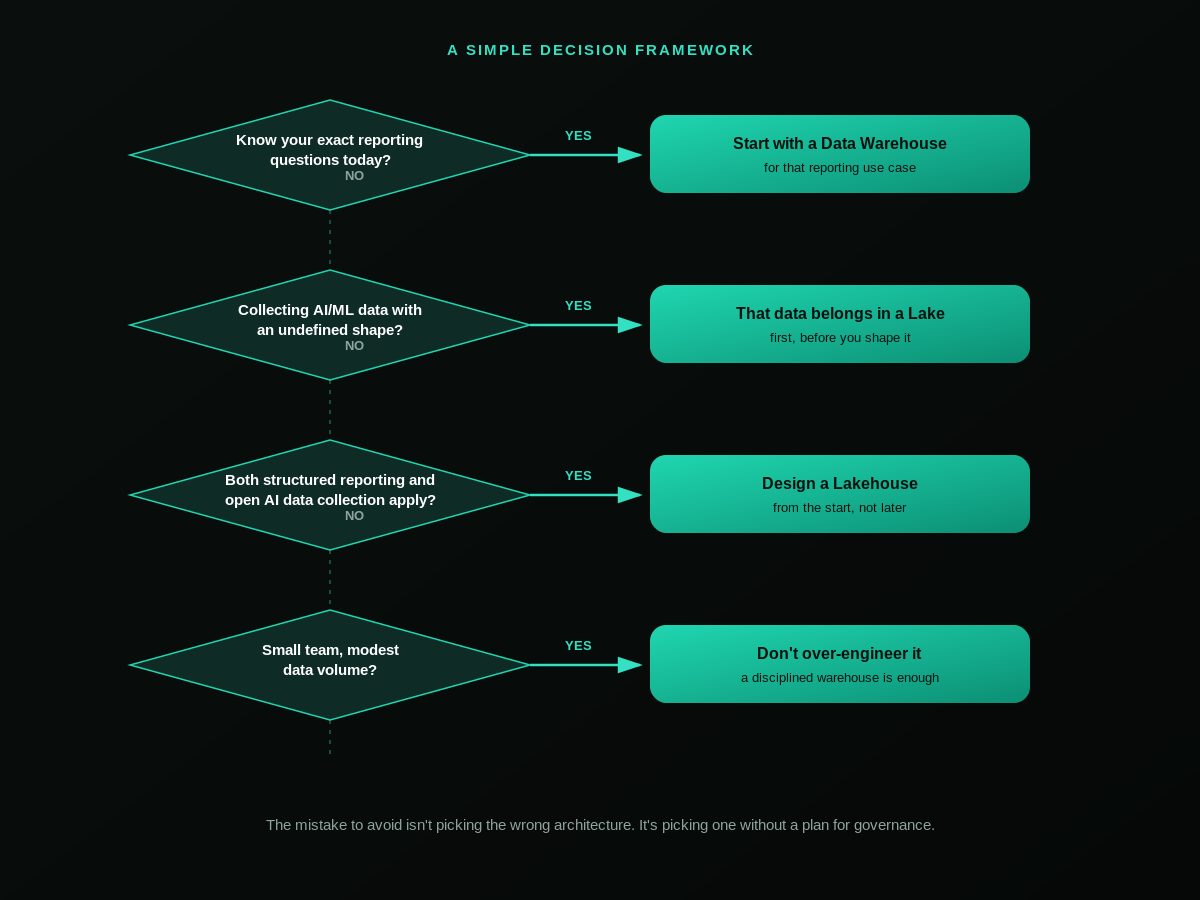
The mistake to avoid isn’t picking the “wrong” architecture. It’s picking either one without a plan for governance, and letting it sprawl unmanaged for a year before anyone notices.
Where Zimozi Fits In
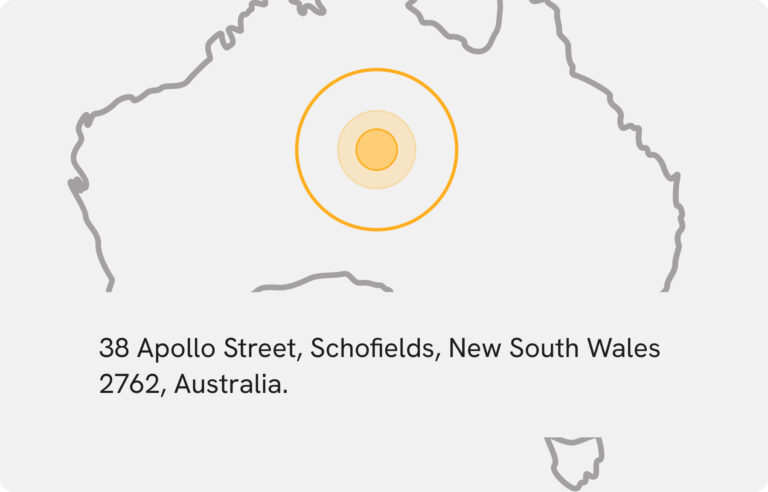
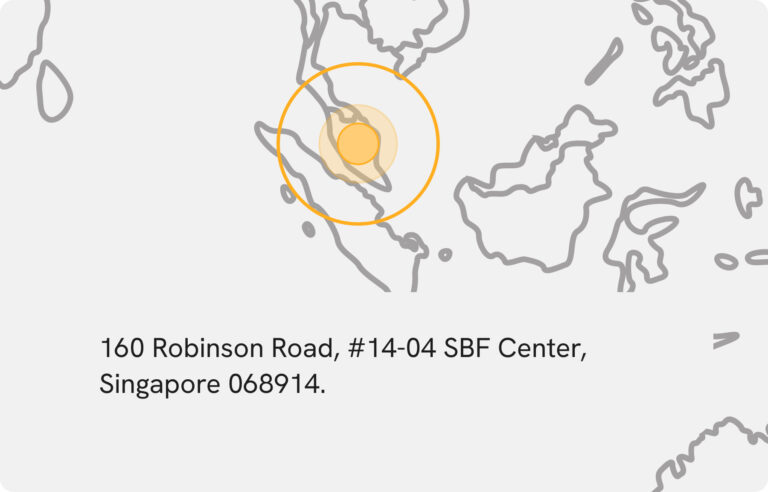
We build and maintain data infrastructure for AI products across our teams in Singapore, Australia, Egypt and India, and this exact question comes up on nearly every engagement where a client is scaling from prototype to production. Most of the time the right answer isn’t a single tool purchase. It’s an architecture decision made early, with the discipline to keep it maintained as the product grows.
Our data engineering team has worked through this data lake vs data warehouse tradeoff on projects ranging from fintech platforms to AI native products, including the groundwork covered in our earlier guide on data lakes and data engineering fundamentals. If you’re deciding how to structure your data layer before it becomes expensive to unwind, that’s exactly the kind of conversation worth having early.
Talk to our data engineering team to walk through your specific setup and get a straight answer on what your product actually needs.